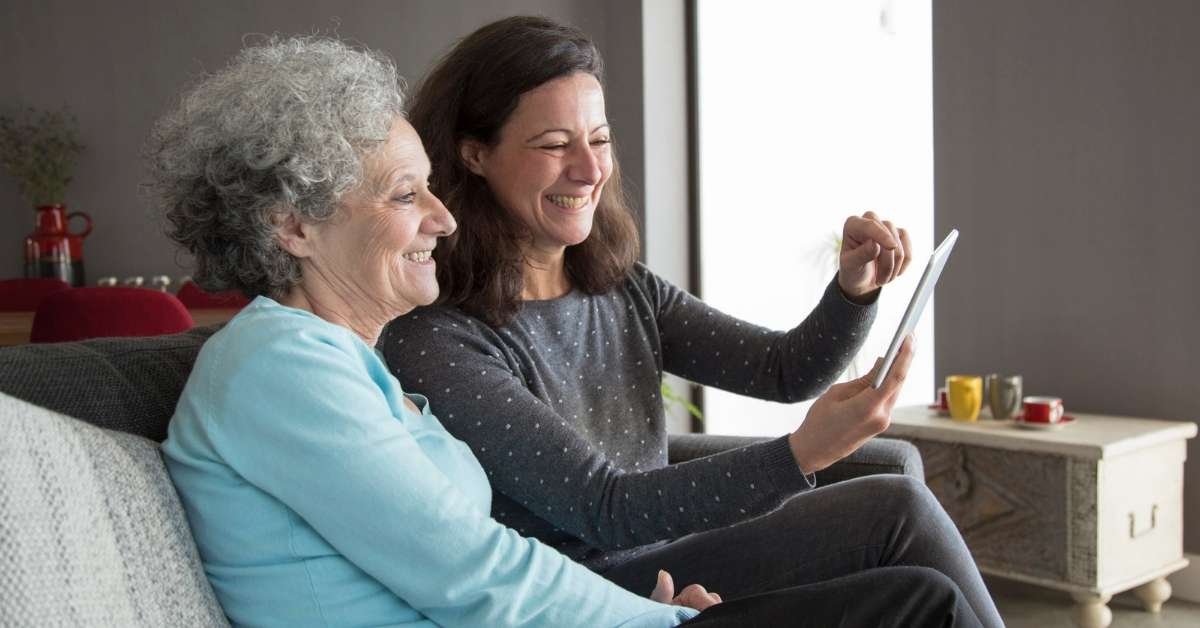

Caring for someone with dementia at home can feel like you are doing many jobs at once. You are helping with safety, daily routines, emotions, and health needs often while trying to keep the home calm and familiar. The good news is that small, practical changes can make a big difference for both of you.
This guide shares Tips for Dementia Caregivers that are widely recommended by trusted health and caregiving organizations.
Dementia Care at Home is Built on Routine, Safety, and Patience
Dementia changes how the brain processes memory, time, sounds, and even familiar places. That is why a person may repeat questions, misplace items, or feel upset in situations that used to be easy. A steady routine and a safer environment reduce confusion and lower the chance of accidents.
A Daily Routine Can Lower Confusion and Stress
1. A predictable schedule can help the brain feel safe
Try to keep wake-up time, meals, bathing, and bedtime consistent. When changes are needed, introduce them slowly and explain with simple words.
2. Simple Choices Can Prevent Frustration
Instead of asking open-ended questions, offer two options: “Would you like tea or water?” Too many choices can feel overwhelming.
3. One Task at a Time Can Keep Success Possible
Break activities into small steps. If dressing is hard, hand them one item at a time. The goal is not speed it is comfort and dignity.
Communication Can Reduce Agitation and Prevent Arguments
4. Your Tone Can Matter More Than Your Words
Speak slowly, keep your voice calm, and use short sentences. Even if the person forgets the details, they often remember the feeling.
5. Validation Can Work Better Than Correction
If they believe something that is not true, arguing can increase distress. Instead, acknowledge emotions first: “That sounds scary. I’m here with you.” Then gently redirect to a calming activity.
6. Familiar Activities Can Create Calmer Moments
Simple activities like folding towels, watering plants, looking at photo albums, or listening to familiar music can reduce restlessness and support connection.
Home Safety Changes can Prevent Falls, Burns, and Wandering
7. A Safer Home Can Prevent Common Injuries
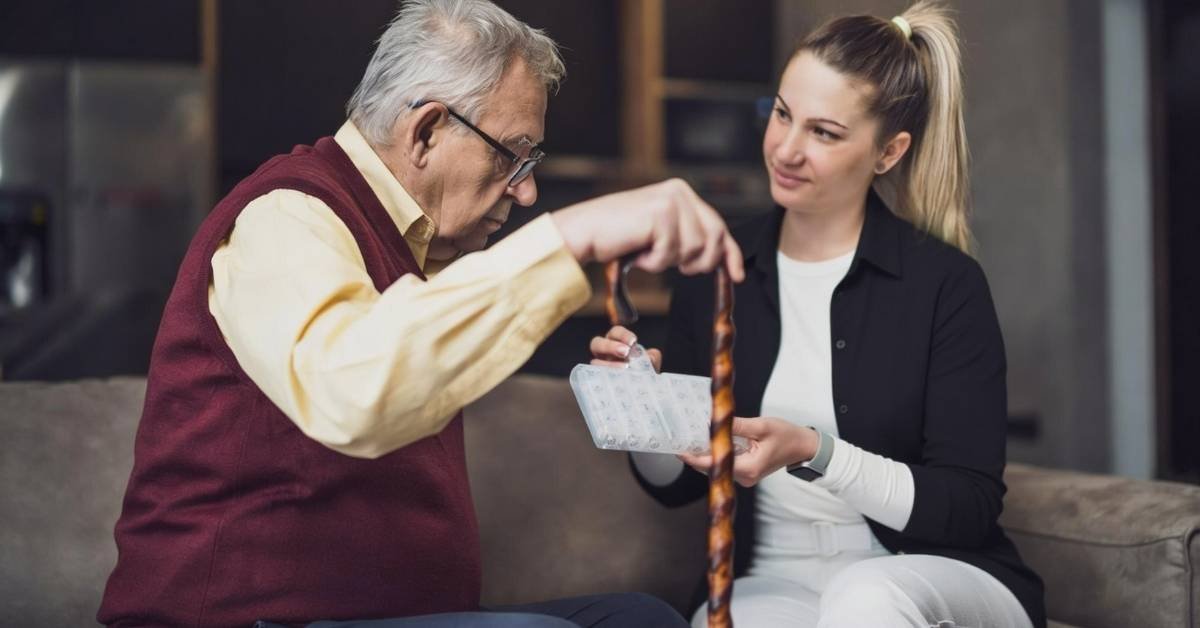
Remove tripping hazards like throw rugs and clutter, improve lighting, and store dangerous items securely. Medication safety matters too locked storage and a clear tracking system can prevent accidental double-dosing.
8. Wandering Risks Can Be Reduced with Planning
Wandering can happen even in earlier stages. Extra supervision in unfamiliar places is important, and many caregivers add door alarms or simple cues that make exits less tempting. If wandering has happened before, treat it as a safety priority, not a behavior problem.
9. Personal Care Can Be Made Easier with Comfort-focused Steps
Bathing and grooming can trigger fear or embarrassment. Warm the room, explain each step, offer privacy, and keep supplies ready. If resistance rises, pause and try again later rather than forcing the moment.
Caregiver Support is Part of Good Dementia Care
10. Your Health Must Be Protected to Sustain Care
Caregiving stress is common, and burnout can sneak up quietly. Build breaks into your week, even short ones. Respite options can include trusted family, adult day programs, or short-term services whatever gives you time to rest and reset. Keeping up with your own sleep, movement, hydration, and medical visits is not selfish; it supports safer care.
A Care Plan Should Be Written Down Before a Crisis Happens
Even with the best routine, tough days will happen. Write down key information in one place: medications, allergies, doctor contacts, emergency contacts, and what usually calms the person when they are upset. The CDC also points caregivers to planning tools and resource lists that can help organize support.
Professional Help Can Be Needed When Care Becomes Unsafe at Home
Home caregiving is not a test of love. Sometimes a higher level of support is needed especially if there are frequent falls, unsafe wandering, aggression you cannot manage, or medical needs you are not trained to handle. Asking for help early often prevents emergencies later.
If you want, tell me the person’s stage (early, middle, late) and the hardest daily challenge (sleep, bathing, wandering, anger, or memory). I’ll tailor a simple home routine and safety checklist around it without making it complicated.