

Medication errors are one of the most common yet preventable causes of hospital visits among seniors in New York. Missed doses, double dosing, wrong timing, and unsafe storage can quietly turn a manageable condition into a medical crisis. That is why Medication Reminders and Safety are not just a convenience in home care- they are a critical layer of protection that keeps seniors healthy, stable, and independent.
Home care does far more than “remind.” It builds a complete safety system around medications so seniors do not have to rely on memory alone. Let’s break down how this actually works in real life.
Why Are Medication Reminders and Safety So Critical for Seniors?
As the body ages, how it reacts to medicine changes. The same dose that once worked smoothly can now cause side effects, dizziness, confusion, or fatigue. At the same time, many seniors take five, ten, or even more medications a day. Each one may have different timing rules, food restrictions, or interactions.
Memory decline is not the only issue. Vision problems can cause label misreading. Arthritis can make pill bottles hard to open. Hearing loss can lead to misunderstanding doctor instructions. This is where medication mistakes usually begin not from carelessness, but from physical and cognitive limitations that naturally come with aging.
Medication Reminders and Safety are designed to protect seniors from these hidden risks before harm happens.
How Can Home Care Create a Reliable Medication Routine?
Home care builds structure into medication use. Caregivers help establish fixed timing connected to daily habits such as meals, bedtime, or morning hygiene. This turns medication into an automatic routine instead of a daily guessing game.
Caregivers also verify what medications are currently active. Many seniors unknowingly continue old prescriptions after new ones are introduced. Home care helps reconcile medication lists with doctors and pharmacies so only correct prescriptions remain in use.
Over time, seniors become calmer and more confident because they no longer fear missing something important. The routine becomes predictable, stable, and safe.
How Are Common Medication Mistakes Actually Prevented at Home?
The most dangerous medication problems usually come from three sources: forgetting, confusion, and unsafe self-management. Home care tackles all three at once.
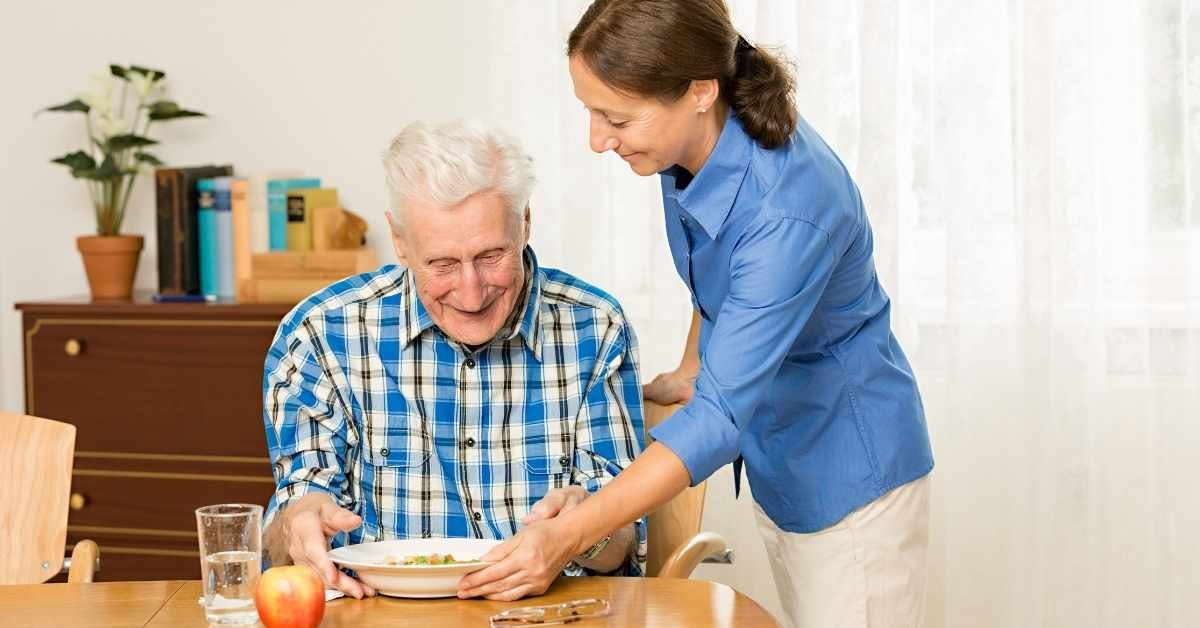
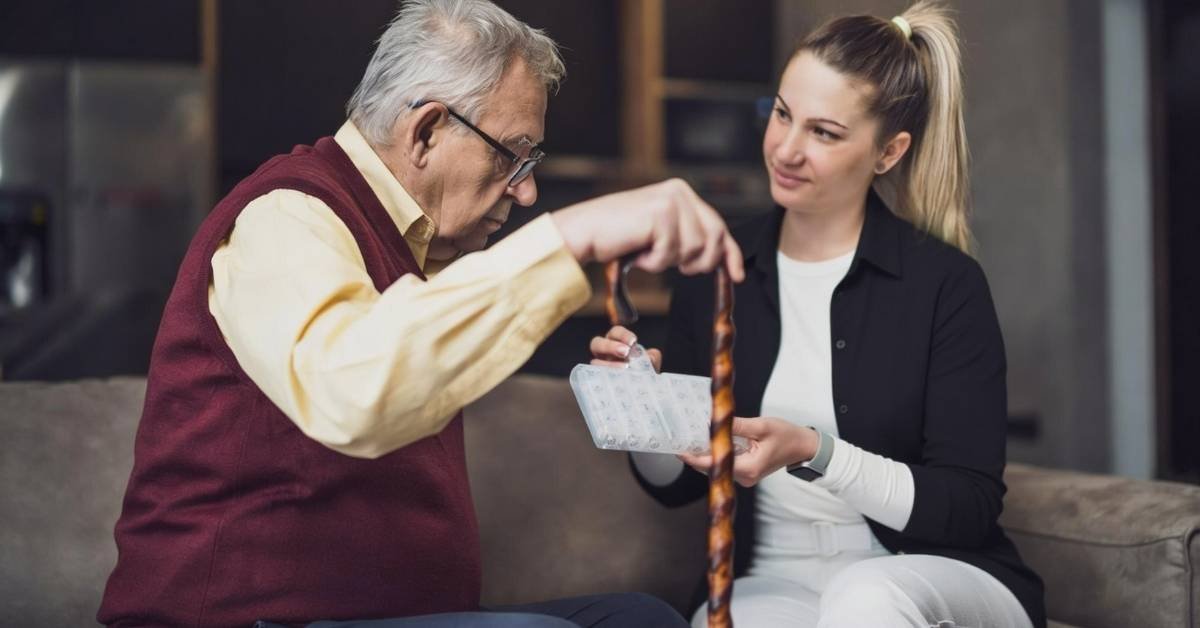
Caregivers physically observe medication intake when needed, which eliminates guessing. They make sure pills are swallowed properly, not hidden in pockets or forgotten on the table. They confirm the correct dose and time instead of relying on memory.
They also prevent double dosing. Many seniors forget they already took their medicine and attempt to take it again. A structured reminder system stops this silent but deadly error.
In homes where seniors manage medications alone for years, these simple protections often prevent avoidable emergency room visits.
How Can Medication Safety Be Maintained Through Proper Storage?
Medication safety does not begin at the moment of swallowing- it begins with how and where medicines are stored.
Home care helps ensure medications are kept in dry, cool places away from sunlight. Insulin, certain injections, and liquid medications may require refrigeration. Caregivers also separate daily-use medicines from emergency medications so confusion does not happen under stress.
Expired medications are another overlooked risk. Seniors often keep old prescriptions “just in case.” Home care removes expired or discontinued medications before they accidentally enter daily use again.
Safe storage also protects households with grandchildren. Child-proof handling becomes part of the safety plan.
How Are Dangerous Drug Interactions Reduced Through Home Care?
Many seniors see multiple specialists. One doctor prescribes heart medication, another manages diabetes, and another handles arthritis. These prescriptions can unintentionally conflict with one another.
Home care professionals actively monitor for side effects such as sudden dizziness, confusion, swelling, nausea, or abnormal fatigue. These are often early warning signs of drug interactions. Fast reporting allows doctors to adjust treatment before real harm occurs.
This layer of monitoring protects seniors from suffering in silence as medications quietly work against each other.
How Can Technology Strengthen Medication Reminders and Safety?
Modern home care now integrates simple, user-friendly technology. Digital reminder devices, automated pill dispensers, phone alerts, and caregiver-linked apps add another safety net.
These tools are especially valuable for seniors who live alone but still need structured support. Family members in New York or even out of state can receive alerts if a dose is missed. That level of visibility brings families peace of mind without invading independence.
Technology does not replace human care- it strengthens it.
How Does Medication Management Support Seniors With Chronic Conditions?
Conditions such as diabetes, heart disease, Parkinson’s, COPD, high blood pressure, and post-stroke recovery all depend heavily on strict medication timing.
Even small delays can cause blood sugar crashes, blood pressure spikes, breathing issues, or tremors. Home care ensures that medication timing aligns with disease control rather than personal memory.
Caregivers observe changes in symptoms daily. This real-time insight allows doctors to fine-tune treatment instead of relying on occasional clinic visits that may miss critical changes.
How Are Families Protected From Medication Anxiety and Burnout?
Family caregivers often carry overwhelming pressure. They worry constantly about whether medications were taken correctly. One small mistake can fill them with guilt and fear.
Home care removes that emotional burden. Families no longer need to call multiple times a day just to confirm pill intake. They can return to being husbands, wives, daughters, and sons instead of full-time medical supervisors.
Medication Reminders and Safety protect not only seniors but also the emotional health of entire families.
How Can Seniors Maintain Dignity While Receiving Medication Support?
One of the biggest fears seniors express is losing independence. Good home care supports dignity instead of taking control.
Caregivers encourage participation. Seniors are guided to remain involved in their own care as much as safely possible. This preserves confidence instead of reinforcing dependency.
Respectful support builds trust. Seniors follow medication plans more consistently when they feel respected rather than controlled.
How Does Home Care Reduce Hospital Visits Related to Medication Errors?
A large percentage of emergency hospital admissions among seniors are caused by medication-related issues. These include overdoses, skipped doses, adverse reactions, dehydration caused by diuretics, and confusion caused by sedatives.
Medication Reminders and Safety drastically reduce these risks at home. By stabilizing daily medication use, home care prevents the spiral that often leads to emergency rooms and hospital beds.
Fewer hospitalizations mean fewer infections, fewer complications, and a better overall quality of life.
How Can New York Seniors Benefit Long-Term From Medication-Focused Home Care?
With proper medication support, seniors in New York can remain in their homes longer, manage complex diseases more safely, and avoid premature nursing facility placement.
The result is longer independence, better symptom control, fewer medical emergencies, and stronger emotional well-being. Medication becomes a tool for healing instead of a source of danger.
Medication does not fail seniors systems fail seniors. When reminders are inconsistent, storage is unsafe, and monitoring is absent, risk quietly grows. Home care closes those gaps with structure, oversight, compassion, and precision.
Medication Reminders and Safety are not about reminders alone. They are about protecting life, dignity, and independence every single day.