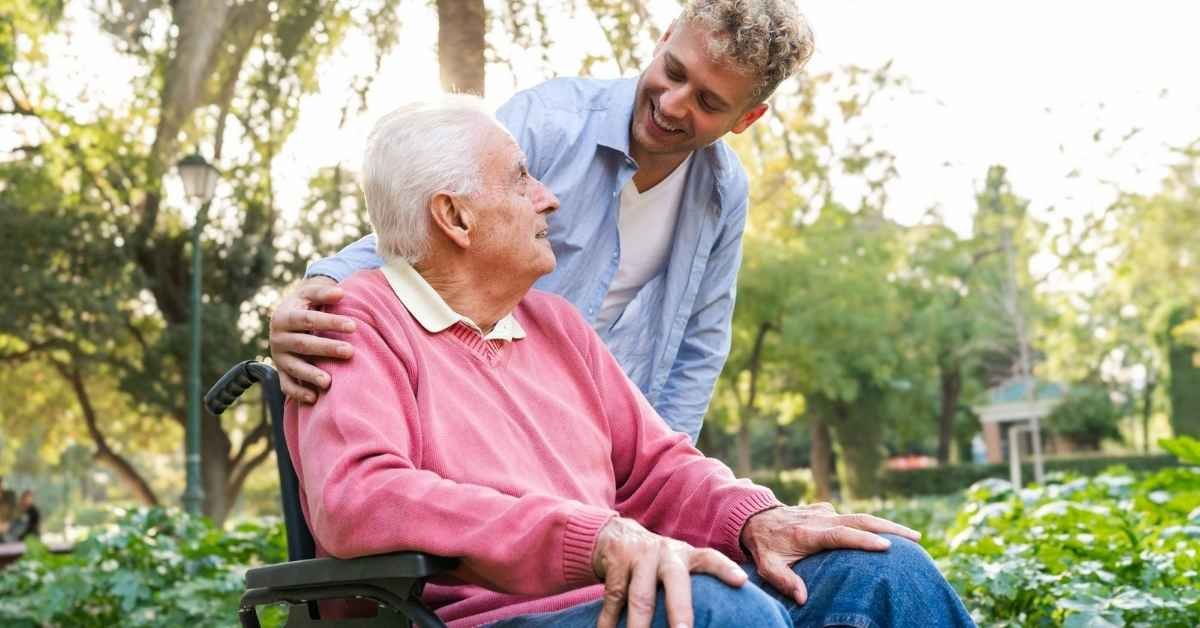

Hospital readmissions are more than inconvenient. They’re costly, stressful, and often avoidable. For seniors receiving care at home in Ohio, the presence of a trained, attentive caregiver can be the difference between stable recovery and a return to the emergency room. This guide breaks down how caregivers are actively preventing hospital readmissions, using practical, real-world actions families can understand and apply.
Why are Hospital Readmissions a Serious Risk for Seniors?
Older adults are more vulnerable after discharge due to medication changes, reduced mobility, chronic conditions, and confusion about follow-up care. Missed instructions, dehydration, infections, or a simple fall can quickly escalate into another hospital visit. Preventing hospital readmissions starts with consistent, informed support at home.
How are Caregivers Monitoring Health Changes Daily?
Caregivers are often the first to notice subtle warning signs that seniors may overlook. Daily observation is not casual, it’s intentional.
Caregivers track changes in appetite, sleep patterns, mobility, mood, breathing, and pain levels. They notice swelling, dizziness, confusion, or signs of infection early. When changes appear, caregivers escalate concerns promptly to family members or healthcare providers, stopping small issues from becoming emergencies.
How are Caregivers Managing Medications Correctly?
Medication errors are one of the leading causes of hospital readmissions. After discharge, seniors are often prescribed new drugs while stopping others, confusion is common.
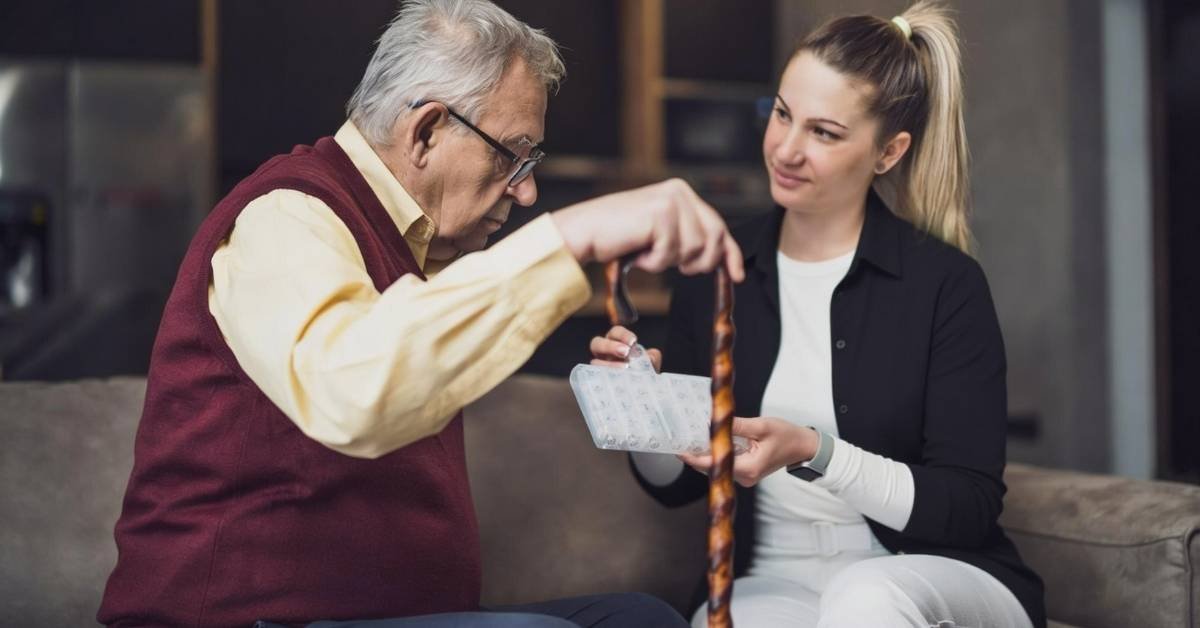
Caregivers organize medications, ensure correct timing and dosage, watch for side effects, and prevent skipped or double doses. They also monitor how medications interact with food and existing conditions. This structured support dramatically reduces preventable complications.
How are Caregivers Supporting Post-Hospital Recovery?
Caregivers assist with mobility, help seniors follow physical therapy routines, encourage safe movement, and prevent overexertion. They ensure wound care instructions are followed, monitor surgical sites, and support pain management routines. Proper recovery support reduces setbacks that often lead to readmission.
How are Caregivers Preventing Falls and Injuries at Home?
Caregivers create safer home environments by removing tripping hazards, ensuring proper lighting, assisting with transfers, and supervising movement during high-risk times. They also reinforce the use of mobility aids and discourage unsafe independence during recovery periods.
How are Caregivers Ensuring Proper Nutrition and Hydration?
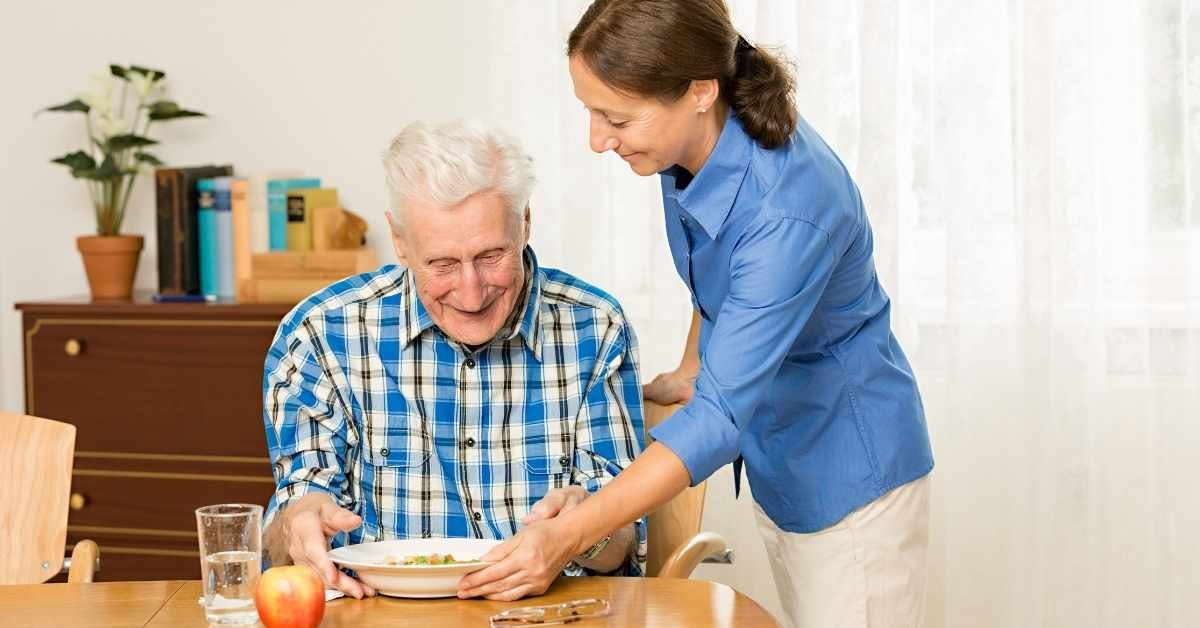
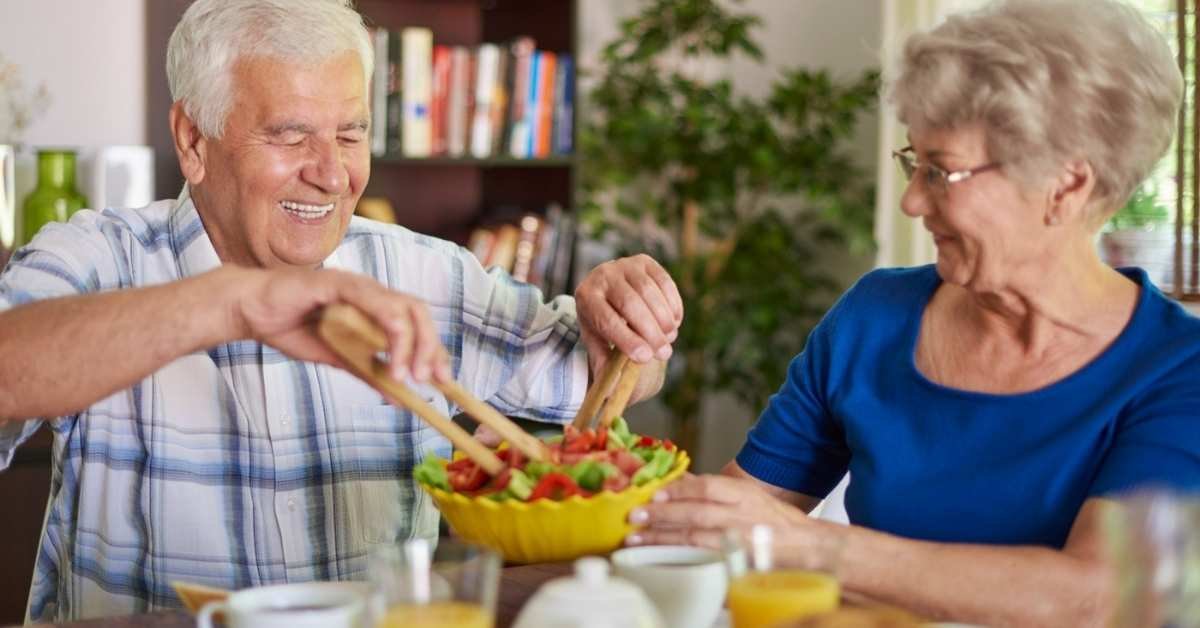
Caregivers prepare balanced meals aligned with medical needs, monitor fluid intake, and watch for swallowing difficulties or appetite loss. They adapt diets for conditions like diabetes, heart disease, or post-surgical recovery, helping the body heal and stay stable.
How are Caregivers Coordinating Follow-Up Care and Appointments?
Caregivers help schedule appointments, arrange transportation, prepare questions for doctors, and ensure discharge instructions are followed. They act as a communication bridge between seniors, families, and healthcare providers closing gaps that often lead to complications.
How is Emotional Support Reducing Readmission Risk?
Caregivers provide reassurance, routine, companionship, and emotional stability. Seniors who feel supported are more likely to follow care plans, report symptoms honestly, and stay engaged in their recovery reducing avoidable hospital returns.
What Makes Caregivers Essential to Preventing Hospital Readmissions?
Preventing hospital readmissions is not about one task. It’s about consistent, informed presence. Caregivers combine observation, structure, and advocacy in ways no discharge paperwork ever could.
For Ohio families, investing in proper home care means fewer emergencies, better recovery outcomes, and greater peace of mind. When caregivers are involved, seniors don’t just stay home. They stay safer, stronger, and more independent.