

Mobility challenges often arrive quietly. A slight hesitation while standing up. A shaky step on the stairs. A growing fear of moving around the home. Over time, these small difficulties create a bigger problem: seniors stop moving with confidence. Safe mobility support changes that by protecting seniors from falls and restoring independence. For families in Ohio, understanding the right approach to mobility support can reduce daily risks and bring back a sense of control for aging loved ones.
Safe Movement Techniques for Daily Living
Many falls happen during everyday tasks such as getting out of bed, getting into the shower, or stepping outside. Learning safe movement techniques helps seniors maintain proper balance and reduce sudden strain on the body. Caregivers can guide seniors through slow transitions from sitting to standing, controlled walking patterns, and safe turning methods. With consistent support, seniors build stronger habits that protect them from injury.
Home Adjustments for Reducing Fall Risks
A senior’s home can become unsafe if small hazards remain unnoticed. Mobility support often begins with improving the living environment. Removing clutter, reorganizing furniture, increasing lighting, installing handrails, and adding non slip mats create safer movement pathways. These changes reduce tripping risks and help seniors move more independently without constant fear.
Strength and Balance Improvement for Daily Confidence
Muscle weakness and poor balance are major causes of falls among older adults. Gentle exercises focused on leg strength, core stability, and steady posture improve overall mobility. Even short daily routines provide meaningful benefits. With guidance from a professional caregiver or therapist, seniors develop better control over their bodies which leads to safer and more confident movement.
Assistive Devices for Safer Mobility
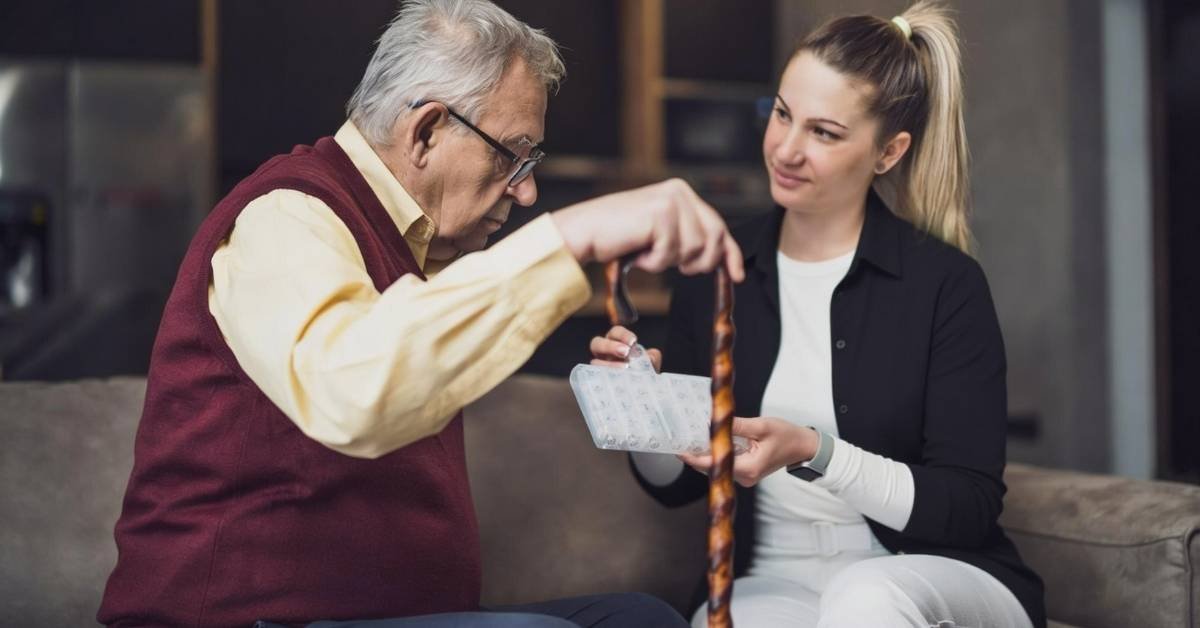
Walkers, canes, wheelchairs, and transfer aids help seniors move safely when mobility becomes challenging. The key is proper assessment and correct usage. A trained caregiver ensures that devices are adjusted to the right height and used correctly during walking or standing. Assistive tools reduce dependence on others while lowering the risk of falls.
Caregiver Support for Ongoing Safety
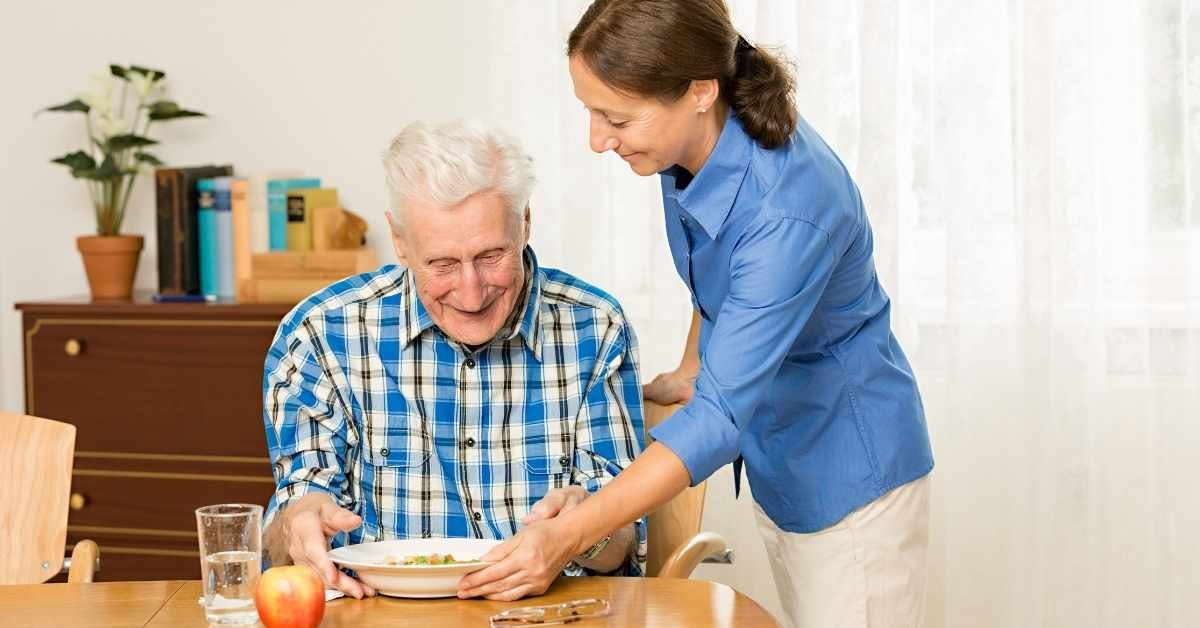
A trained caregiver plays a central role in mobility support. They provide steady assistance during movement, monitor balance changes, remind seniors to follow safety habits, and adjust daily routines based on physical ability. Their presence offers reassurance while preventing accidents that often happen when seniors try to move alone.
Encouragement for Maintaining Freedom and Independence
Fear of falling often causes seniors to limit their activities. This reduces muscle strength and increases risks over time. Mobility support focuses not only on preventing falls but also on promoting a sense of freedom. Encouraging seniors to walk, stretch, and stay engaged keeps their bodies active and their spirits strong. With the right support, independence becomes a realistic daily experience.
Safe mobility support protects seniors from preventable injuries and helps them move with dignity. For Ohio families, the right combination of home adjustments, strength routines, assistive tools, and caregiver support creates a safer and more fulfilling life for aging loved ones.